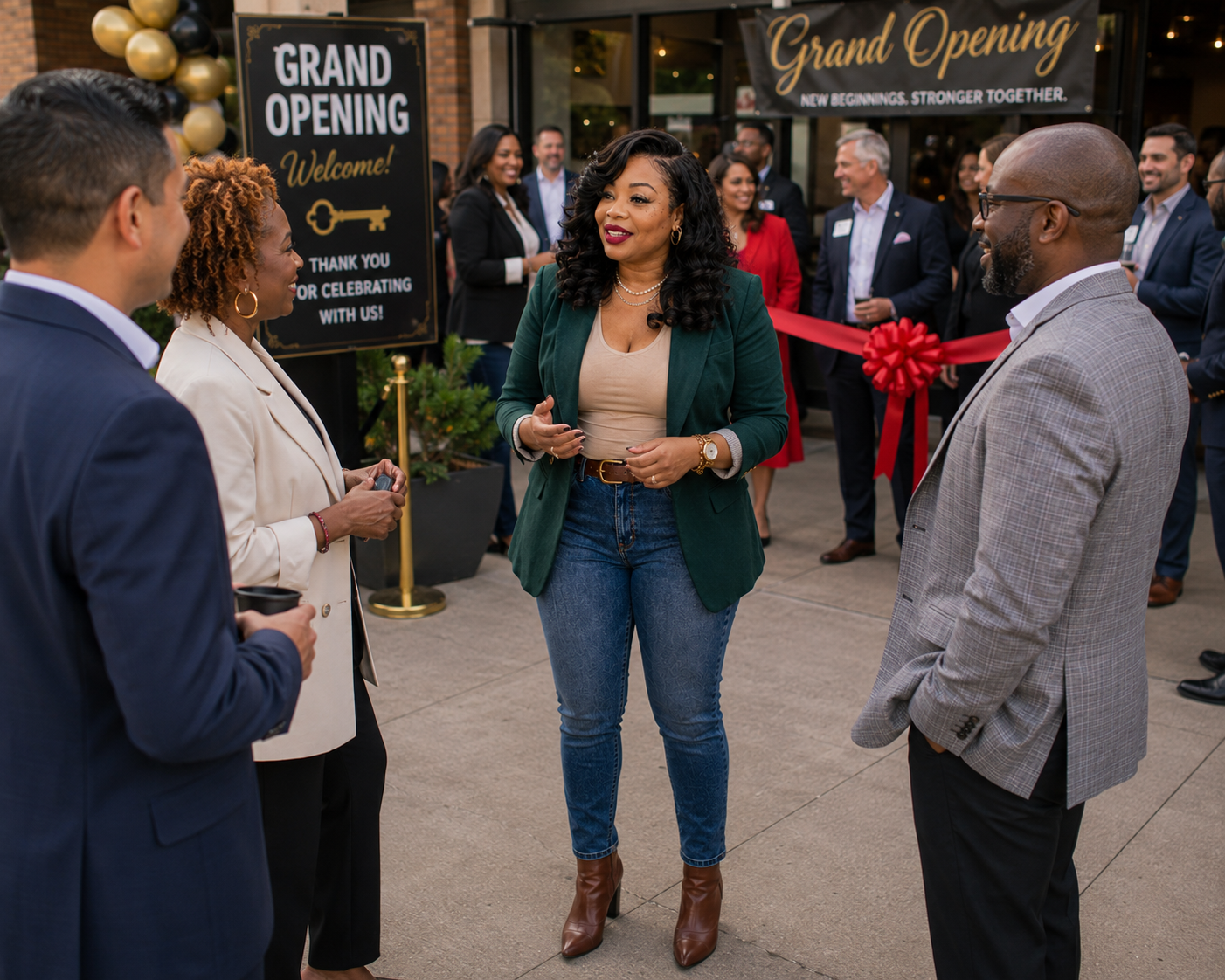
The most common networking question is usually framed as a volume question: how many events should we attend each month? That is understandable, but it is not the most useful question. Relationships do not respond to a quota. They respond to repetition, relevance, and follow-through.
Consistency beats event count
A business that attends twelve unrelated events once each may meet more people than a business that attends three recurring groups four times each. The second business is more likely to become familiar. Familiarity is what changes the quality of the next conversation.
For many local businesses, one or two recurring relationship-building commitments each week can be meaningful if they are strategically chosen and consistently attended. The exact number depends on geography, growth priorities, team size, and whether the business already has strong local relationships.
The right cadence depends on the goal
- Entering a new market usually requires more frequent presence at the beginning
- Maintaining an established market may require fewer but consistent touchpoints
- Industry associations reward depth and recurring participation
- Chambers often create value through repeated visibility across many event types
- One-on-one follow-up should count as part of the networking workload, not as extra work afterward
The practical mistake is scheduling events without scheduling relationship maintenance. If the calendar has room for the breakfast but not for the follow-up, the business is counting attendance instead of building relationships.
Watch for the over-networking trap
More is not always better. A person who attends too many rooms becomes shallow everywhere. Names blur together, promises are forgotten, follow-up gets generic, and the work starts to feel like collection rather than connection. A smaller number of strategically important rooms usually creates more durable value.
The goal is not maximum visibility. It is enough repetition for trust to begin compounding.
A useful planning question is not, 'How many events can we fit?' It is, 'Which relationships and communities matter enough that we are willing to show up for them consistently for the next year?' Once that answer is clear, the cadence becomes easier to design.